
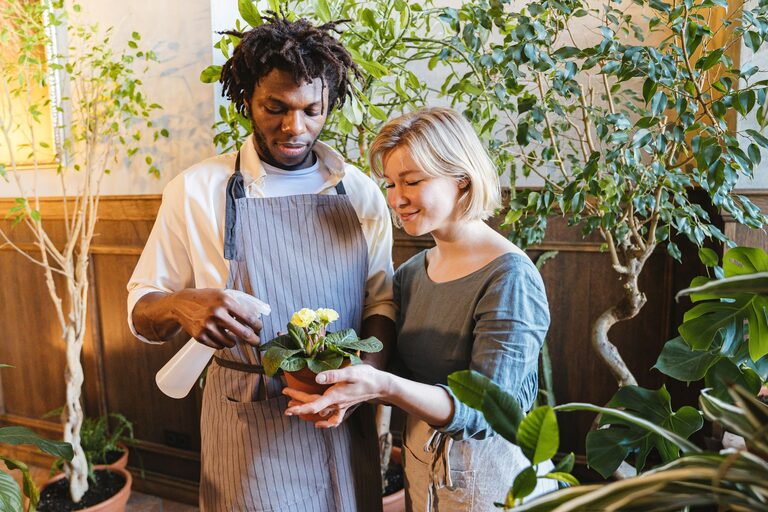
Bringing houseplants into your living space is a wonderful way to add a touch of nature and freshness to your home. However, keeping them healthy and vibrant requires a bit of attention and care. Whether you’re new to plant parenting or looking to improve your skills, these tips will help you provide the best environment for your indoor plants.
Understanding Your Plant’s Needs
Each houseplant species has its own unique requirements. Taking time to understand what your specific plants need is the first step toward a thriving indoor garden.
Research Your Plant Type
– Light requirements: Some plants need bright, direct sunlight, while others thrive in low light.
– Watering schedule: Overwatering is a common issue; some plants prefer to dry out between watering.
– Humidity levels: Tropical plants often need more humid environments compared to desert succulents.
Knowing these basics helps you tailor your care routine appropriately.
Providing the Right Light
Light is vital for photosynthesis, the process that fuels plant growth.
– Place plants according to their light needs: South-facing windows usually provide bright light, east or west-facing windows offer moderate light, and north-facing windows give low light.
– Rotate plants regularly: To ensure even growth, rotate your plants every few weeks.
– Consider supplemental lighting: If natural light is limited, use grow lights designed for indoor plants.
Watering Wisely
Watering is one of the most critical care tasks, but it can be tricky.
Tips for Proper Watering
– Check soil moisture: Before watering, insert your finger about an inch into the soil. If it feels dry, it’s time to water.
– Avoid standing water: Ensure pots have drainage holes to prevent root rot.
– Use room temperature water: Cold water can shock roots; let water sit for a few hours to reach room temperature.
– Adjust with seasons: Plants often need less water during cooler months.
Choosing the Right Soil and Pot
Healthy soil and pots with drainage are essential for plant health.
– Select soil blends appropriate for your plant: Cacti and succulents prefer well-draining, sandy soil, while ferns like moisture-retentive soil.
– Use pots with drainage holes: Without drainage, excess water may cause root damage.
– Repot when necessary: When plants outgrow their pots or soil becomes compacted, repotting refreshes the growing medium.
Maintaining Humidity
Many houseplants, especially those from tropical regions, appreciate higher humidity.
– Group plants together: This naturally raises humidity around them.
– Use a humidifier: Great for dry indoor air, especially in winter.
– Mist plants carefully: Light misting can help but avoid overdoing it to prevent fungal problems.
Fertilizing Your Plants
Plants need nutrients to grow strong and healthy.
– Feed during the growing season: Typically spring through early fall.
– Choose the right fertilizer: Use a balanced, water-soluble fertilizer or one suited for specific plants.
– Follow package directions: Over-fertilizing can harm plants.
Pruning and Cleaning
Regular maintenance keeps plants looking their best and encourages healthy growth.
– Remove dead or yellow leaves: This prevents decay and pests.
– Trim leggy growth: Pruning encourages fuller shapes.
– Clean leaves: Dust can block light; wipe leaves gently with a damp cloth.
Watch for Pests and Diseases
Indoor plants can face pests such as spider mites, aphids, or scale insects.
– Inspect plants regularly: Look under leaves and around stems.
– Use natural remedies: Neem oil or insecticidal soap can control many pests.
– Isolate affected plants: Prevent spread to others.
Create a Consistent Routine
Consistency benefits both you and your plants.
– Set reminders: For watering, fertilizing, and other care tasks.
– Observe regularly: Noticing changes early can prevent problems.
– Adjust as needed: Plants grow and conditions change over time.
Enjoy the Process
Taking care of houseplants is rewarding and can reduce stress. With attention and patience, your plants will flourish and brighten your home for years to come.
—
By following these tips, you’ll be well on your way to creating a thriving indoor garden that adds beauty and calm to your living environment. Happy planting!