
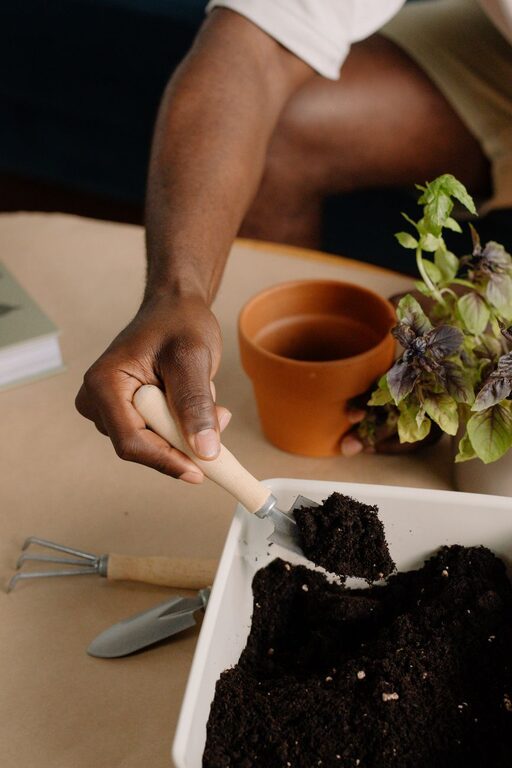
Growing a small herb garden indoors is a rewarding and practical way to enjoy fresh flavors right from your kitchen. Whether you have limited outdoor space or want fresh herbs year-round, an indoor herb garden can be a great addition to your home. This guide will walk you through the basics of starting your own small indoor herb garden, from choosing the right herbs to caring for them effectively.
Why Grow Herbs Indoors?
Indoor herb gardens are perfect for:
– Fresh herbs at your fingertips for cooking and garnishing
– Adding greenery and a pleasant aroma to your home
– Educational and fun gardening experience for all ages
– Saving money by growing your own herbs instead of buying fresh ones
Choosing the Right Herbs for Indoor Growing
Not all herbs thrive indoors, so it’s important to pick varieties that are well-suited for indoor environments. Consider these popular and easy-to-grow herbs:
– Basil: Needs bright light and warmth; great for Italian dishes.
– Parsley: Tolerates moderate light; adds fresh flavor to many recipes.
– Mint: Hardy and spreads quickly; prefers indirect light.
– Chives: Compact and adaptable; perfect for windowsills.
– Thyme: Requires bright light and well-drained soil.
– Oregano: Likes warm, sunny spots and well-drained soil.
– Cilantro: Prefers cooler temperatures and bright light.
What You’ll Need to Start
To set up your indoor herb garden, gather these materials:
– Containers or pots with drainage holes
– High-quality potting mix, preferably one designed for herbs or indoor plants
– Herb seeds or seedlings from a nursery
– A sunny window or grow lights
– Watering can or spray bottle
– Small tray or saucer to catch excess water
Step-by-Step Guide to Starting Your Indoor Herb Garden
1. Select Your Location
Most herbs need at least 6 hours of sunlight daily. A south-facing window is ideal. If natural light is limited, consider using a full-spectrum grow light to provide the necessary light intensity.
2. Choose Appropriate Containers
Select pots that are the right size for your herbs and have drainage holes to prevent waterlogging. You can use traditional plant pots, repurposed containers, or even specialized herb planters.
3. Prepare the Potting Mix
Fill your containers with a light, well-draining potting mix. Avoid outdoor soil, which can be too dense or contain pests.
4. Plant Seeds or Seedlings
If you start with seeds, follow the packet instructions for planting depth and spacing. For seedlings, gently transplant them into the soil, ensuring roots are well covered but not crowded.
5. Water Carefully
Water the soil lightly after planting. Keep the soil consistently moist but avoid overwatering, which can cause root rot. Using a spray bottle can help maintain moisture without drowning the plants.
6. Provide Adequate Light
Place the pots in your chosen light spot. If using grow lights, set a timer for 12–16 hours a day to mimic natural sunlight.
7. Maintain and Harvest
– Water regularly when the top inch of soil feels dry.
– Rotate pots every few days to ensure even growth.
– Pinch or harvest leaves regularly to encourage bushier growth; avoid taking more than one-third of the plant at once.
– Fertilize sparingly with a balanced liquid fertilizer every 4-6 weeks.
Tips for Success
– Monitor humidity: Many herbs prefer moderate humidity. If your home is dry, occasionally mist the plants.
– Watch for pests: Indoor herbs can sometimes attract pests like aphids or spider mites. Check leaves regularly and treat with insecticidal soap if needed.
– Avoid cold drafts: Keep your herb garden away from cold windows or vents to maintain a stable temperature.
Troubleshooting Common Issues
| Problem | Cause | Solution |
|——————–|—————————|————————————–|
| Yellowing leaves | Overwatering or poor light | Adjust watering, move to brighter spot |
| Leggy growth | Insufficient light | Increase light exposure |
| Wilting plants | Underwatering | Water thoroughly |
| Mold on soil | High humidity or poor airflow | Improve ventilation, reduce watering |
Bonus: Creative Ways to Use Your Indoor Herbs
– Add fresh herbs to salads, soups, and sauces.
– Create herbal teas with mint, chamomile, or lemon balm.
– Use herbs as natural air fresheners or in homemade sachets.
– Gift small potted herbs to friends and family.
Conclusion
Starting a small indoor herb garden is straightforward and enjoyable. With the right location, containers, and care, you can grow flavorful herbs year-round. Plus, it’s a fun project that brings a touch of nature indoors. Happy gardening!