
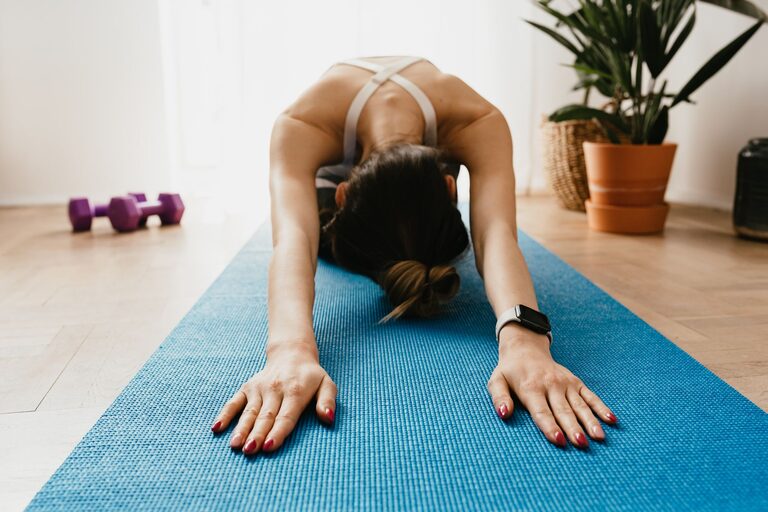
Stretching is one of the simplest and most beneficial activities you can incorporate into your daily routine. It helps improve flexibility, increases blood flow to your muscles, reduces tension, and can even improve posture. The best part? You don’t need a gym or fancy equipment—just a little space at home and a few minutes each day. This beginner’s guide to stretching at home will walk you through everything you need to get started safely and effectively.
Why Stretching Matters
Before diving into stretches, it’s helpful to understand why stretching is important:
– Improves Flexibility: Regular stretching lengthens muscles, which helps your body move more easily.
– Reduces Muscle Tension: Stretching helps release tightness from muscles that build up from sitting or repetitive activities.
– Prevents Injuries: Flexible muscles and joints are less prone to strains and sprains.
– Enhances Circulation: Increased blood flow helps muscles recover and feel energized.
– Promotes Relaxation: Stretching can calm the nervous system, reducing stress and improving mental clarity.
When to Stretch
You can stretch at different times throughout your day:
– After Waking Up: Gentle stretches can help wake your body up and reduce morning stiffness.
– Before Exercise: Dynamic stretches prepare your muscles for movement.
– After Exercise: Static stretches help relax muscles and improve recovery.
– Anytime: Stretching can be a quick break during long periods of sitting or working.
Getting Started: Basic Tips
Starting a stretching routine is easy with these tips:
– Warm Up First: Stretching cold muscles can cause injury. Warm up with light activity like walking or marching in place for 3 to 5 minutes.
– Breathe Normally: Don’t hold your breath while stretching; breathe deeply and steadily.
– Avoid Pain: Stretch to the point of mild tension, not pain. If a stretch hurts, ease up or try a different one.
– Hold Each Stretch: Aim to hold stretches for about 15 to 30 seconds.
– Be Consistent: Stretch regularly for the best results, ideally daily or at least a few times a week.
Essential Stretches for Beginners
Here are some effective stretches that target major muscle groups. Perform each stretch slowly and with control.
1. Neck Stretch
– Sit or stand tall.
– Slowly tilt your head to one side, bringing your ear toward your shoulder.
– Hold for 20 seconds, feeling the stretch along the side of your neck.
– Repeat on the other side.
2. Shoulder Stretch
– Bring one arm across your chest.
– Use the opposite hand to gently pull your arm closer to your body.
– Hold for 20-30 seconds.
– Repeat with the other arm.
3. Chest Stretch
– Stand facing a wall or doorway.
– Place your palm and forearm flat against the surface.
– Turn your body gently away from your arm to feel a stretch across your chest.
– Hold for 20 seconds on each side.
4. Cat-Cow Stretch (Spine Mobility)
– Start on your hands and knees in a tabletop position.
– Inhale, arch your back, lifting your head and tailbone (Cow Pose).
– Exhale, round your spine, tucking your chin to your chest (Cat Pose).
– Repeat this fluid movement 5-10 times to warm up your spine.
5. Seated Forward Bend (Hamstrings and Back)
– Sit on the floor with legs extended in front.
– Hinge at your hips and reach toward your toes.
– Keep your back as straight as possible.
– Hold for 20-30 seconds, feeling the stretch behind your legs and your lower back.
6. Butterfly Stretch (Inner Thighs and Hips)
– Sit with your feet together and knees bent out to the sides.
– Hold your feet with your hands.
– Gently press your knees toward the floor.
– Hold for 20-30 seconds, feeling the stretch in your hips and inner thighs.
7. Calf Stretch
– Stand facing a wall.
– Step one foot back, keeping it flat on the floor.
– Bend your front knee and lean into the wall.
– Hold for 20 seconds, then switch legs.
Building Your Routine
You don’t need to do all stretches every time. Start with 5 to 7 stretches and gradually add more as you get comfortable. A simple daily routine might look like this:
- Warm-up with 3 minutes of light activity.
- Perform neck, shoulder, and chest stretches.
- Move to spine mobility with cat-cow.
- Finish with lower body stretches like seated forward bend, butterfly, and calf stretch.
This routine can take as little as 10-15 minutes and makes an excellent start to your day or a relaxing way to unwind.
Tips for Staying Motivated
– Set a Schedule: Try stretching at the same time each day to build a habit.
– Create a Comfortable Space: Use a yoga mat or soft carpet and ensure good lighting.
– Play Relaxing Music: Calm background music can enhance the experience.
– Track Your Progress: Notice improvements in flexibility and comfort.
– Be Patient: Flexibility takes time to develop, so celebrate small gains.
When to Be Careful
If you have medical conditions or injuries, consult with a healthcare professional before starting any new exercise routine. Avoid stretching injured muscles or joints until healed.
Final Thoughts
Stretching at home is a gentle, accessible way to promote flexibility, reduce muscle tension, and feel better in your body. With consistent practice and the right approach, even beginners can create a simple yet effective stretching routine that fits easily into daily life. Give it a try—you’ll feel the benefits in minutes and even more over time!